Polynucleotide Injectable Treatment
Elevate Your Appearance with Regenerative Polynucleotides
Polynucleotide Injectable Treatment
What Are Polynucleotides?
Polynucleotides are found naturally in all living cells and play a vital role in cell repair.
Read more Show less
These chains of nucleotide molecules form the building blocks of DNA and RNA. Harnessing the regenerative power of these DNA fragments, scientists have developed and synthesised injectable products using highly purified polynucleotides from salmon sources that can be safely used in humans. Polynucleotides sit within a class of bio-remodelling agents. They are not the same as dermal fillers, which add temporary volume or shape to the face. Bio-stimulators, like polynucleotides, work at a cellular level to naturally regenerate and repair tissue layers.
What Are the Benefits of Polynucleotides?
Polynucleotides are fast becoming recognised as a gold standard treatment in regenerative skin rejuvenation, stimulating collagen and elastin production, reducing inflammation, and accelerating cell turnover.
Read more Show less
They offer deep hydration for a plump, youthful appearance, reducing fine lines and wrinkles, enhancing skin texture, firmness, and elasticity, and improving the appearance of scarring and dark circles under the eyes.
Areas of Treatment
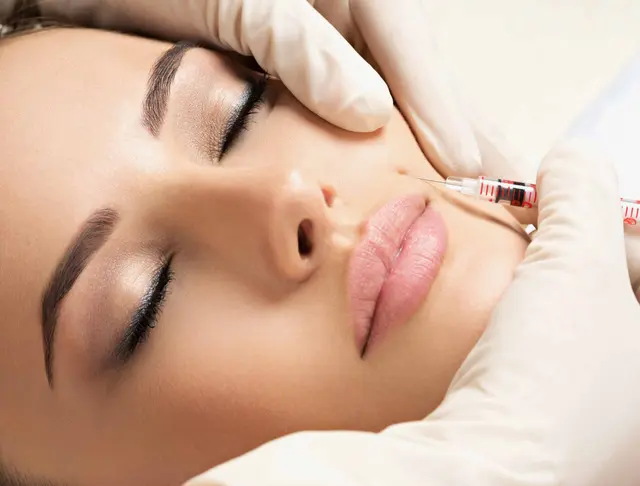
Polynucleotide injection is a regenerative treatment that naturally stimulates self-repair within the skin. Their ability to increase collagen and elastin production helps improve overall skin quality, repairing the tissue, restoring skin tone, texture, and elasticity, whilst also increasing hydration and natural plumpness. They are suitable for full face rejuvenation as well as targeted treatment under the eyes to reduce dark circles. Polynucleotides can also be used to improve scalp health for hair regrowth.
Expert Care
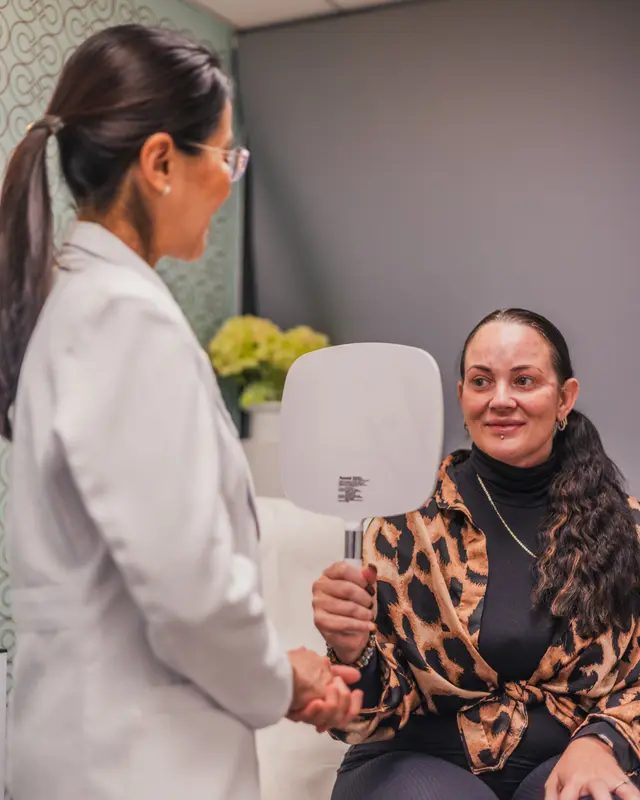
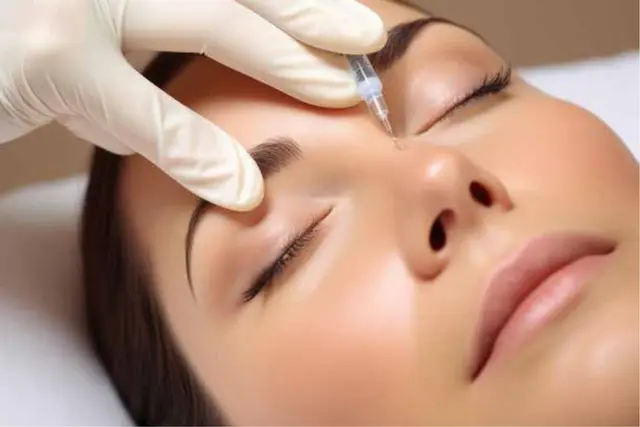
You're in safe hands at Forever Facial Aesthetics. Patient safety, comfort, and personalised care are our core priorities throughout your treatment. Dr Annette Phillips is a highly trained medical professional, experienced in administering polynucleotide treatments and ensuring optimal results.
Natural Results
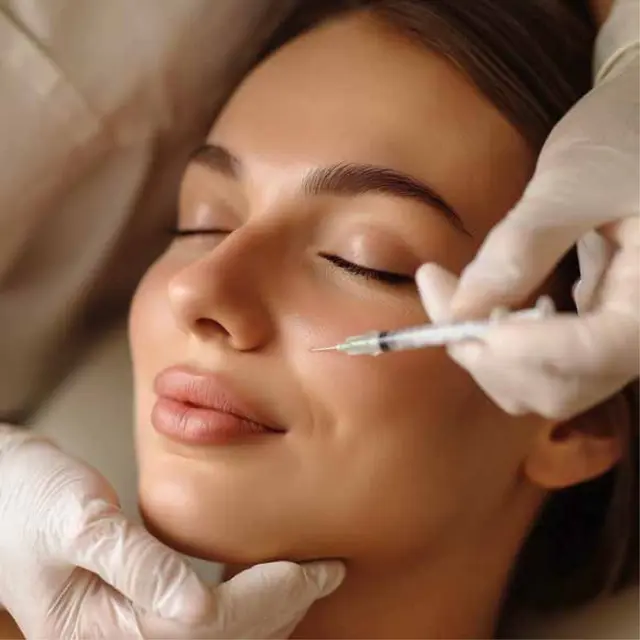
As our bodies age, we produce fewer of our own polynucleotides, making our bodies less efficient at repairing cellular damage from the sun, genetic ageing, and other lifestyle and environmental factors. The DNA fragments within the injectable products act just like your own cells. By introducing an army of polynucleotides, we can kickstart your sluggish fibroblast cells, responsible for making collagen and elastin, and get them to work naturally repairing and regenerating tissue.
Tailored Treatments
Each polynucleotide treatment is tailored to meet the unique needs of your skin, always with a focus on your desired outcomes, whether this is a full-face treatment, targeted under-eye treatment, or hair restoration.
Answers to Your Questions, All in One Place.
Polynucleotides are a natural molecular component found in all living cells. These chains of nucleotides form the building blocks of our DNA (Deoxyribonucleic acid), which includes our genetic information, and our RNA (Ribonucleic acid), which is involved in most biological functions within the body.
Synthetic polynucleotides in injectable products are highly purified, biocompatible molecules or DNA fragments derived from salmon DNA that can be safely injected into the skin for targeted treatment to stimulate cell regeneration. Polynucleotides enhance skin quality by repairing and regenerating tissue, while hyaluronic acid-based dermal fillers add volume, shape, and contour to the face.
Polynucleotide treatments complement many other aesthetic procedures, including dermal fillers, anti-wrinkle treatments, microneedling, and light-based treatments for full facial rejuvenation. Combining or layering treatments can enhance the overall results achievable and combination treatments may be discussed during a consultation.
Once injected, the polynucleotides work at the cellular level by slowly integrating into the tissue and triggering a wound healing response in your cells, which boosts fibroblast activity, increases collagen production, and improves hydration, leading to firmer, smoother, and more elastic skin with fewer fine lines. Their bio-stimulatory capabilities rejuvenate the skin, making it healthier and more radiant, support tissue repair, helping with uneven tone, texture concerns, elasticity, skin discolouration or irregular pigmentation, and scarring, while also protecting the skin by neutralising free radicals that cause cellular damage. The increased skin cell activity and uptick in hydration also result in a mild increase in tissue volume, adding natural plumpness.
Polynucleotide treatments can improve skin hydration, elasticity, and firmness. They also reduce the appearance of fine lines, wrinkles, acne scars, pigmentation, and signs of ageing. They are particularly useful for treating the area under the eyes, in the tear trough, to reduce a tired appearance, dark circles, and slight eye bags. They can also be used for improving scalp health for hair restoration.
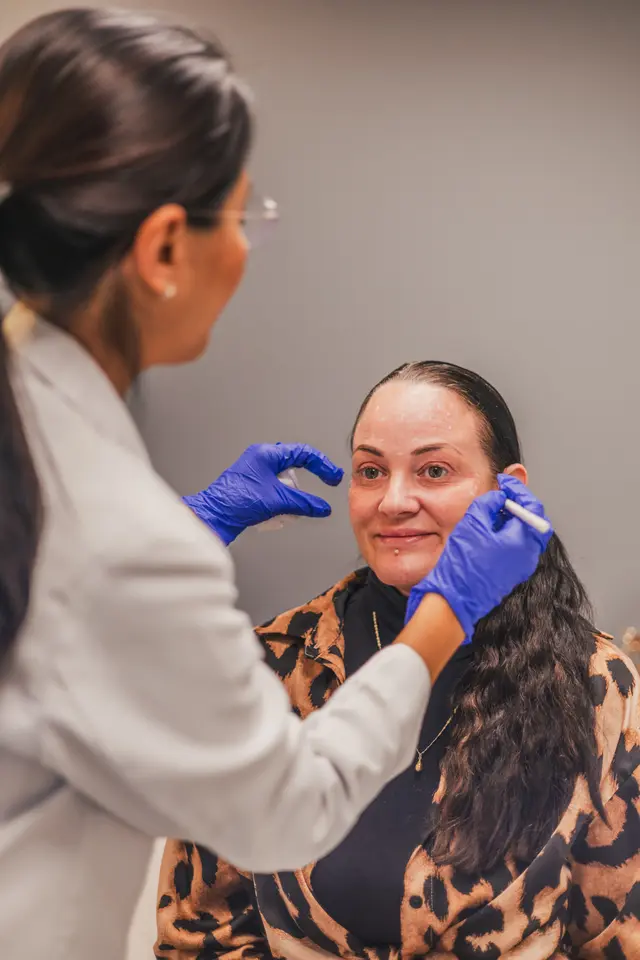
As part of your consultation, Dr Annette Phillips will take a full medical history to determine if you have any sensitivities or allergies to any of the ingredients within the products that may contraindicate you for polynucleotide treatment.
Polynucleotides have been used in other areas of medicine for some time, and are generally considered safe, with few reported adverse effects. Although the injectable products used are derived from salmon, they are highly purified in laboratories to make them biocompatible with humans. However, because the products are derived from fish sources, they are unsuitable for those with a known allergy to fish, shellfish, or other fish derivatives. Similarly, strict vegans and vegetarians may not wish to use these products.
Treatment is suitable for men and women of all skin types, but if you are pregnant or breastfeeding, we will not be able to treat you until this is no longer a factor for you. If you have any active skin infection, including herpes simplex (cold sores), or other severe skin conditions, these must be treated and resolved before polynucleotide treatment can commence. Similarly, those with certain autoimmune diseases or a weakened immune system may be contraindicated for treatment.
At Forever Facial Aesthetics, we offer a variety of other aesthetic treatments, which may be more suitable if polynucleotides are not an option for you.
As with all injectable treatments, you may experience some mild redness, bruising, or discomfort at the injection sites following treatment.
As this is a stimulatory treatment, some people experience an increase in facial swelling during the first few hours after treatment, or overnight, which is a natural bodily reaction. This is transient and should resolve within 1 – 3 days, but should not impact your ability to resume your normal activities.
For 24 hours before having a polynucleotide treatment, we recommend you avoid alcohol because it has the effect of thinning your blood, which can increase the chances of bruising during and after treatment.
Please let us know if you are currently taking any blood-thinning or anti-inflammatory medications; you will not be told to stop these, but we will need to manage treatment more carefully to mitigate any potential bruising.
You should also refrain from using active skincare ingredients, such as retinoids (retinols) and alpha-hydroxy acid (AHAs), for 3 – 7 days before treatment. These ingredients make the skin temporarily more fragile and sensitive; they can increase the risk of pain during injection, bruising, swelling, and irritation, and may impact healing, compromising the efficacy of the polynucleotide treatment. You will be advised on when you can resume any relevant skincare regimes.
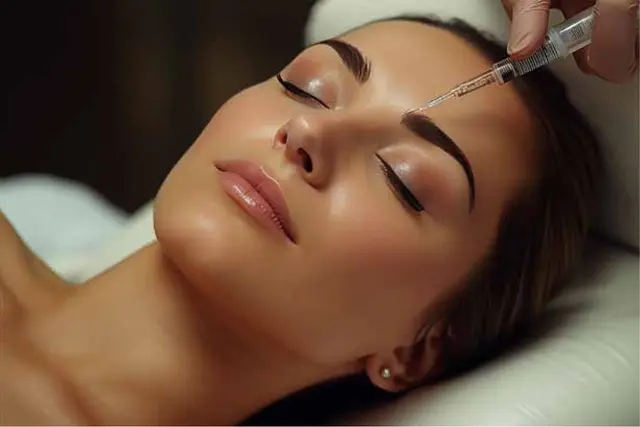
Treatment with polynucleotides involves a series of small injections into the target area(s) using a fine needle or blunt cannula. The treatment is quick, typically lasting around 30 minutes. Depending on the area(s) being treated, we will usually recommend 2 to 3 treatment sessions, spaced a few weeks apart.
We want to ensure that you are comfortable throughout your treatment. Although discomfort is minimal, with a mild stinging sensation during injections, which some people may tolerate without intervention, a topical anaesthetic numbing cream is usually applied before the procedure.
After polynucleotide treatment, you should avoid applying makeup, performing any strenuous exercise, and exposure to the sun for 24 hours. Ensure you follow any specific aftercare advice given for facial cleansing to optimise your healing and results.
Results vary by patient, dependent on the individual skin concern, age, and lifestyle, but most people see a noticeable improvement after 2 to 3 treatment sessions, spaced a few weeks apart.
With gradual, natural, incremental improvements due to the bio-stimulatory effect, the results can be long-lasting. You should expect to complete your results several months after your last polynucleotide treatment. Outcomes can last between 6 and 12 months, with regular maintenance treatments recommended to help prolong and increase the long-term benefits of polynucleotide treatment.
Take The Next Step
At Forever Facial Aesthetics, our goal is to help you look and feel your best. Contact us today to schedule your consultation and embark on your journey to a more youthful appearance.


Begin the dialogue
Our professional team is at your disposal to schedule a private consultation. Every enquiry is handled with the utmost discretion.