Mole Screening
Professional mole screening and skin cancer diagnostics
Mole Screening & Dermatology Service
Mole Mapping Service
At Forever Facial Aesthetics, we offer in-house dermatoscopy and use a dermatologist-led screening and review service to check suspicious moles and skin lesions for potential skin cancers.
Read more Show less
If you have moles, marks, and blemishes on your skin which have appeared rapidly or begun to change shape, size, or colour, it’s vital to have them mapped using a dermatoscope for close-up photography and medical assessment. Using dermatoscopy improves the accuracy of mole screening and early skin cancer detection.
What is a dermatoscope?
Dermatoscopy, also called dermoscopy, refers to a combination of the words dermis, meaning skin, and microscope. A dermatoscope is a handheld medical device used to examine moles and other skin lesions in much greater detail than the naked eye can focus. It combines magnification with a specialised light source, which we can attach to a smartphone to view on the screen and to take photographs swiftly.
Read more Show less
The images are referred to a team of dermatologists who can use them to assess patterns, colours and structures beneath the skin surface and provide a diagnostic report.
Why is mole screening important?
In mole screening and skin cancer assessments, dermatoscopy can help identify suspicious changes linked to cancerous conditions such as melanoma, basal cell carcinoma and squamous cell carcinoma, often supporting earlier diagnosis and quick referral for treatment.
Read more Show less
It cannot give a formal diagnosis of skin cancer because that requires a biopsy and a histological assessment, but the use of close-up photography using the dermatoscope allows dermatology experts to identify a suspicious lesion and recommend rapid further investigation. According to Cancer Research UK, melanoma skin cancer is the fifth most common cancer in the UK, but it has a very high survival rate if caught early.
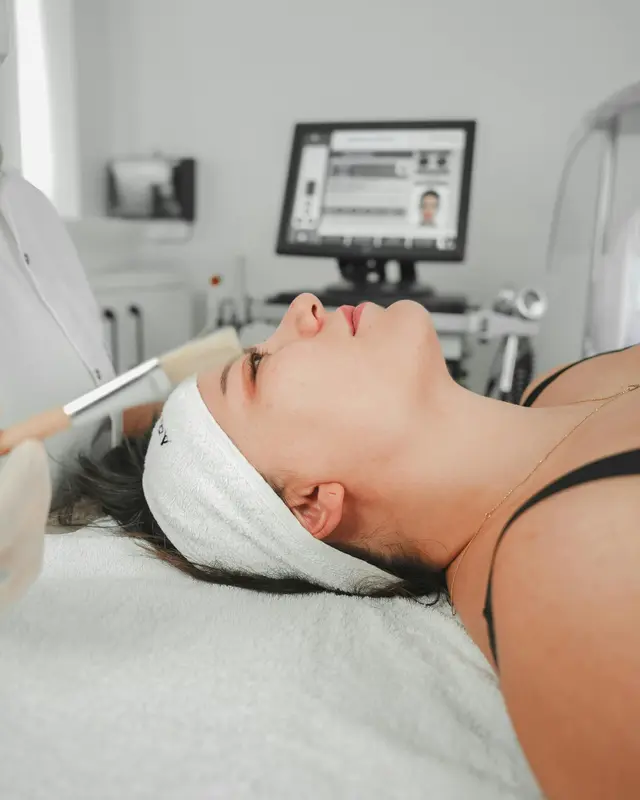
Expert Care
Our experienced team provides a professional mole screening service in a safe, clinical environment at Forever Facial Aesthetics in Ashtead, Surrey. Using state-of-the-art dermatoscopy imaging equipment and a well-respected dermatology assessment service, we will ensure that suspicious lesions and moles are properly evaluated for skin cancer. Follow-up care and referral are available post-results through our clinical team.
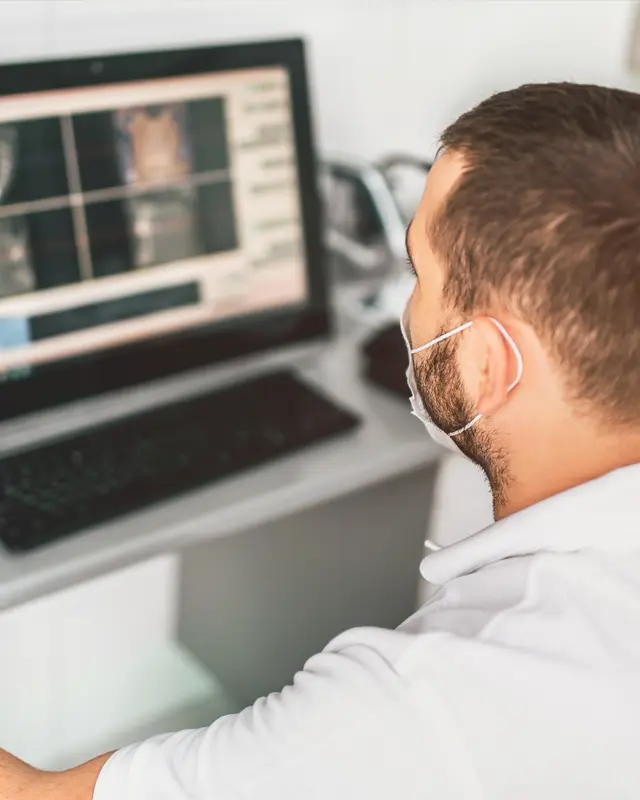
Specialist Follow-up
Using our specialist mole screening service avoids delays in diagnosing potential skin cancers. Early intervention, reporting, and a follow-up appointment with our clinical team ensure we can refer you for the most appropriate intervention with dermatological care if the screening process reveals troubling results. We use leading dermatoscopy equipment and services to give you peace of mind and aid early detection.
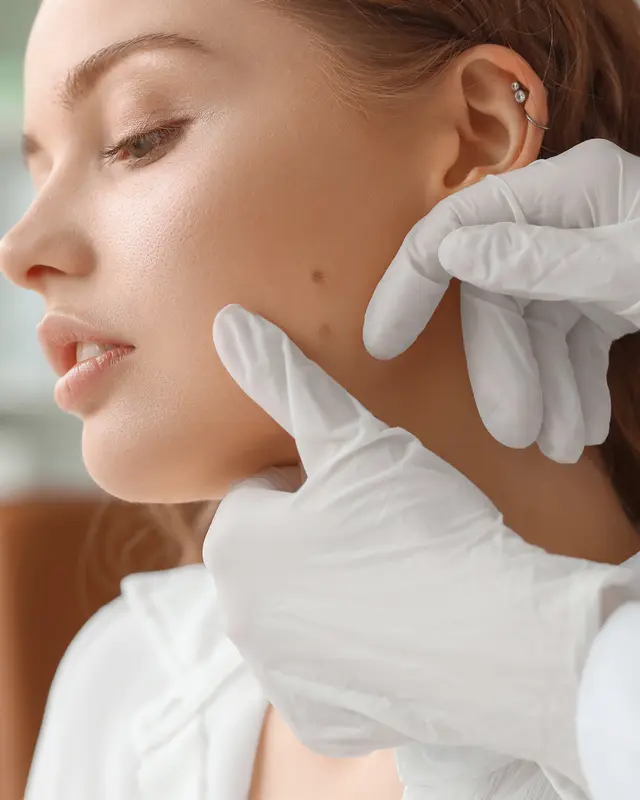
Tailored Treatment
We focus on avoiding the delays in primary healthcare to deliver screening and diagnostic results that detect the early signs of skin cancer in moles, dark spots, and other skin lesions. All mole screening with a dermatoscope requires a full consultation and appointment with our skin specialist, senior medical aesthetician or one of our medical practitioners to ensure we provide appropriate care and medical support.
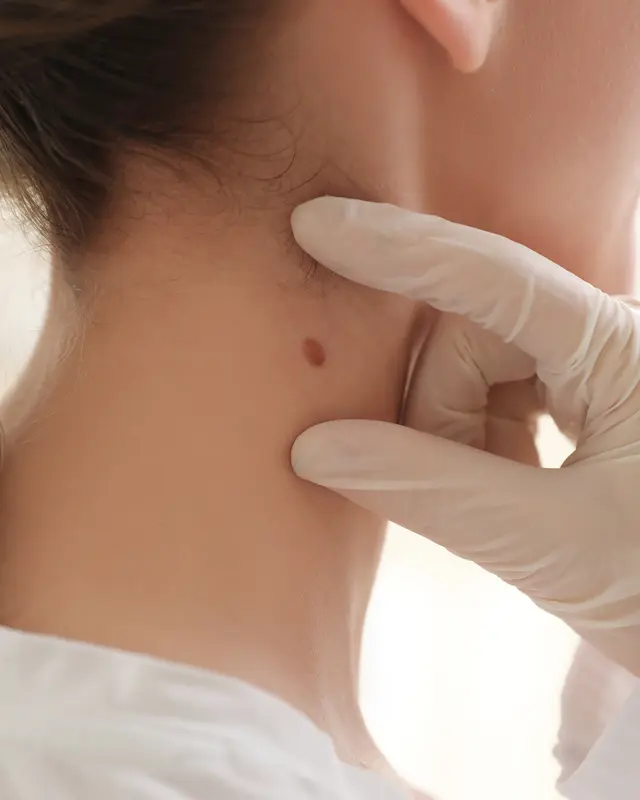
Your Safety
Mole screening is an important safety check for the early detection of skin cancers. Our multidisciplinary medical and specialist skin aesthetician team are all trained in identifying suspicious skin lesions. They will always recommend a full assessment by our mole screening dermatology service, using dermatoscopy images. Results are confidential and can be followed up with an appointment through our clinical team.
Answers to Your Questions, All in One Place.
Moles are generally harmless, and it is very common to have them on your skin, anywhere on your face and body. Some moles develop in childhood and adolescence, or are even present at birth, and over time, some will also fade with age. Moles can darken during pregnancy, causing an increased appearance of freckles or brown patches on the face called melasma.
Moles are usually small, brown-coloured spots or marks on the skin, made up of pigment-producing cells called melanocytes. They tend to be darker on darker skin tones, vary in shape, usually oval or round with a smooth edge, either flat or raised, and can feel rough or smooth, and some may have hairs growing through them.
Moles can be cosmetically displeasing and sometimes get in the way, depending on their location, such as moles on the neck or shoulders that catch on necklaces, bra straps and clothes, or over-the-shoulder bags.
A mole may become suspicious if it changes in size, shape, colour, or texture, starts itching, bleeding, or crusting, or develops an uneven border.
A useful guide for monitoring suspicious moles used by dermatologists is the ABCDE rule:
- Asymmetry
- Border irregularity
- Colour variation
- Diameter over 6 mm
- Evolving changes
If you have moles that seem to have changed in any way, our simple mole screening service is a great way to get them checked for early signs of skin cancer. Early detection can lead to more positive outcomes.
Moles can become cancerous when the DNA in skin cells becomes damaged, often due to ultraviolet exposure from sunlight or sunbeds. Over many years, this damage can cause cells to grow uncontrollably and abnormally, leading to melanoma or other forms of skin cancer, like basal cell carcinoma and squamous cell carcinoma.
The mole screening service at Forever Facial Aesthetics in Ashtead, Surrey, uses dermatoscopy, or magnified imaging, and a professional skin assessment by a dermatologist to check moles for signs of skin cancer.
Dermatoscopy is a recognised medical screening technique for dermatological concerns. Our practitioner uses a special magnifying device, called a dermatoscope, attached to a smartphone, to examine structures beneath the skin surface that are not visible to the naked eye. These images appear on the smartphone screen, and photographs are saved for detailed assessment by an expert dermatologist.
The mole screening service we provide is a leading medical solution that captures accurate images of your moles, which can be reviewed directly by expert dermatologists, who will report on any suspicious lesions that require further investigation by biopsy and histological analysis.
Although we use a dermatoscope attached to a smartphone to capture images and data, the assessment does not rely on automated apps or artificial intelligence to establish the results of your screening; a human dermatologist will conduct all diagnoses and reporting.
The screening service does not definitively diagnose skin cancers, but it does provide a credible triaging option to quickly identify moles that may be showing the early signs of skin cancer. Armed with a dermatologist’s report, we can swiftly address your treatment needs, further follow-up and investigation, including direct referral to primary care or private dermatology services.
The dermatologist-led assessment service we use is aligned with the British Association of Dermatologists teledermatology guidelines.
Take The Next Step
At Forever Facial Aesthetics, our goal is to help you look and feel your best. Contact us today to schedule your consultation and embark on your journey to a more youthful appearance.


Begin the dialogue
Our professional team is at your disposal to schedule a private consultation. Every enquiry is handled with the utmost discretion.