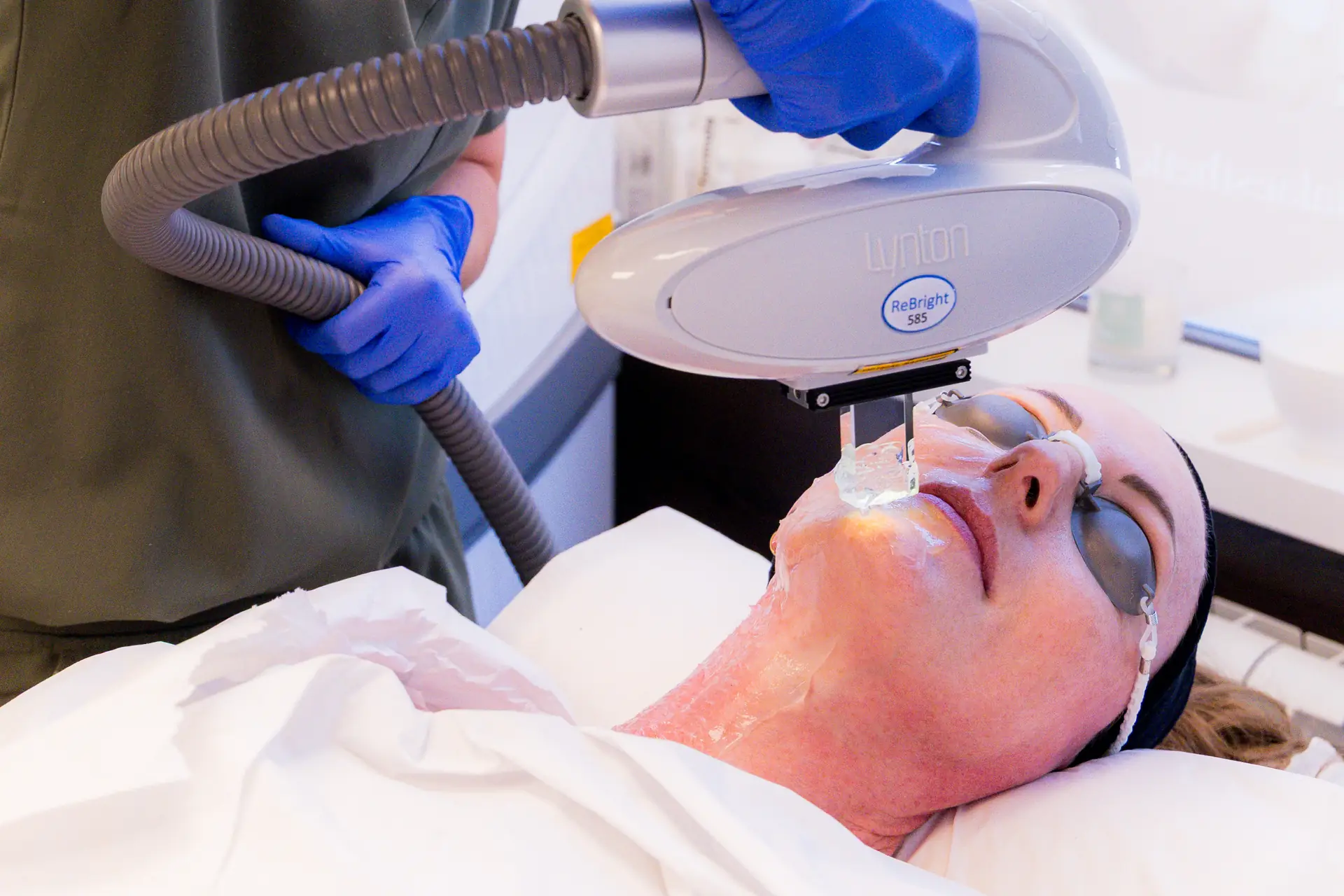
IPL Skin Correction
Correcting Unwanted Brown Spots and Red Veins
Intense Pulsed Light (IPL) Skin Correction (Pigmentation & Vascular)
What Is IPL Skin Correction?
We provide clinically advanced Intense Pulsed Light (IPL) treatments to correct small areas of unwanted pigmentation or vascular lesions that cause cosmetic annoyance.
Read more Show less
IPL skin correction can target hyperpigmentation and excess brown spots caused by sun damage and ageing, as well as reducing redness and flushing, often associated with rosacea, broken capillaries, and red thread or spider veins. Alongside treating small areas of concern on the face, neck, hands, chest or décolletage, we also offer full-face photorejuvenation treatments. These restore a balanced, even skin tone, calm redness, and deliver improvements to your overall appearance.
How Does Intense Pulsed Light Work?
Intense Pulsed Light treatment delivers broad-spectrum light and works by a process called Selective Photothermolysis.
Read more Show less
Different wavelengths or colours of light are naturally attracted to and absorbed by certain tissues, due to their colour. These attractors are known as chromophores. The chromophore for the IPL wavelengths we use to treat pigmentation is attracted to the brown pigment in melanin. Meanwhile, the wavelengths we use to treat vascular lesions are attracted to the red colour of haemoglobin in the blood. During absorption of intense pulsed light, heat is created, shattering melanin within pigmented lesions or collapsing very tiny, red blood vessels responsible for redness or thread veins. The body tidies up the debris naturally, and the anomalies are corrected.
Our Preferred IPL System: Dynamix IPL
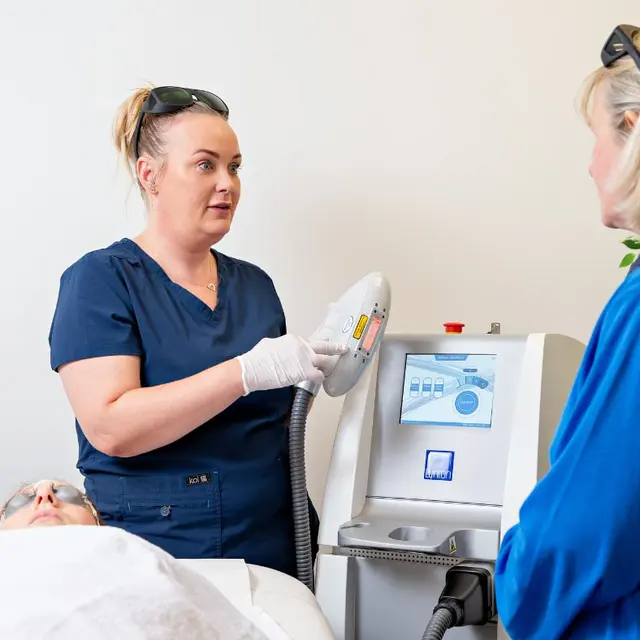
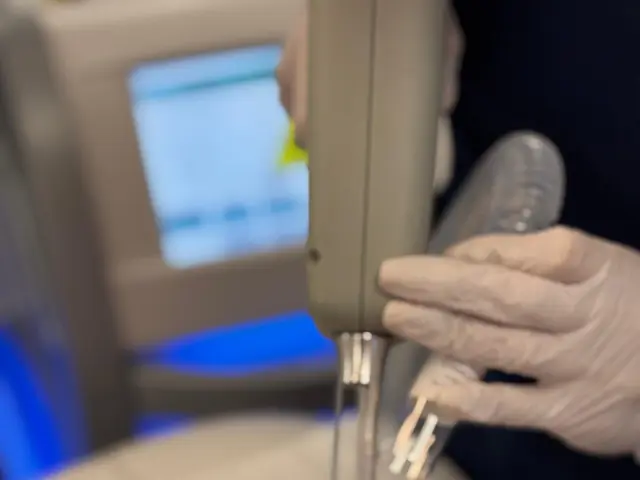
All Intense Pulsed Light treatments at Forever Facial Aesthetics are performed using The Dynamix IPL from Lynton Lasers.
Read more Show less
This advanced, medical-grade platform is renowned for its exceptional safety profile and proven clinical results. This technology allows us to deliver precise, effective treatments with beautifully natural outcomes. It works effectively on a wide range of skin types but does exclude very dark skin or those with a recent tan. A consultation and patch test must be completed to determine suitability.
Areas of Treatment
IPL Skin Correction is designed to address a broad range of skin concerns, including pigmentation and vascular anomalies, to target sun damage, brown spots, uneven skin tone, redness, rosacea, and thread veins. Treatments are suitable for the face, neck, chest, or décolletage, and hands.
Expert Care
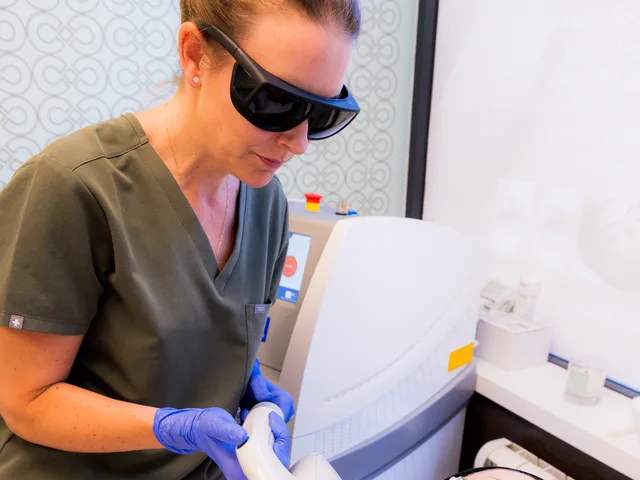
At Forever Facial Aesthetics in Ashtead, Surrey, IPL skin correction treatments offer a sophisticated approach to targeted skin renewal, effectively correcting vascular and pigmented concerns and delivering long-term skin health. Small areas, or a full face, can be quickly and expertly treated by our specialist trained aestheticians or medical practitioners.
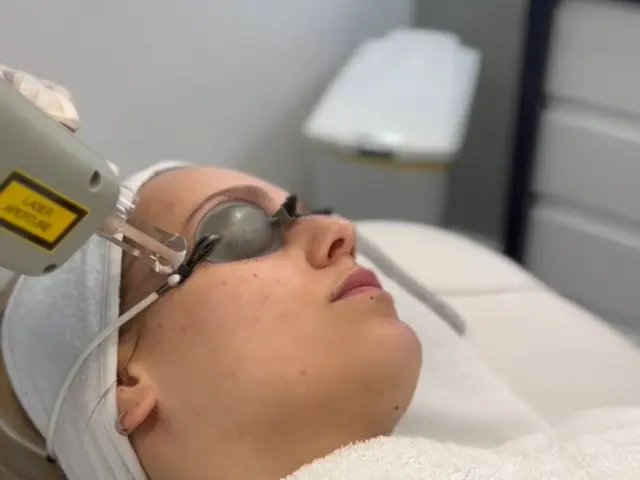
Natural Results
Each IPL skin correction treatment is tailored to restore clarity, balance and radiance to the skin through natural intervention, repair and renewal, for photorejuvenation.
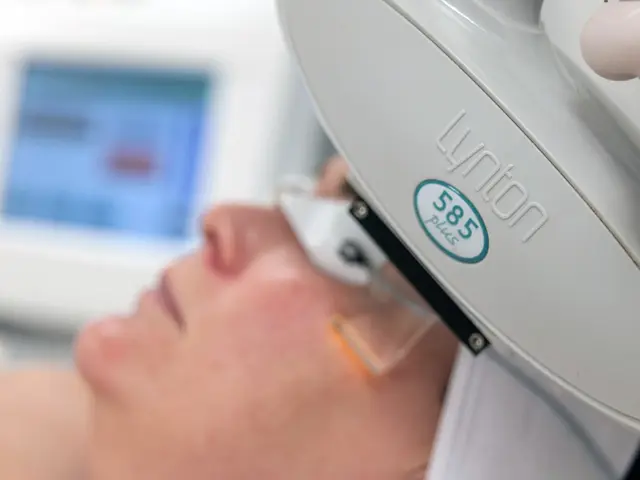
Tailored Treatments
Intense Pulsed Light (IPL) skin correction treatments are targeted specifically to treat individual pigmentation or vascular concerns using different settings or wavelengths of light required to target excess melanin in pigmentation or haemoglobin in red veins.
Answers to Your Questions, All in One Place.
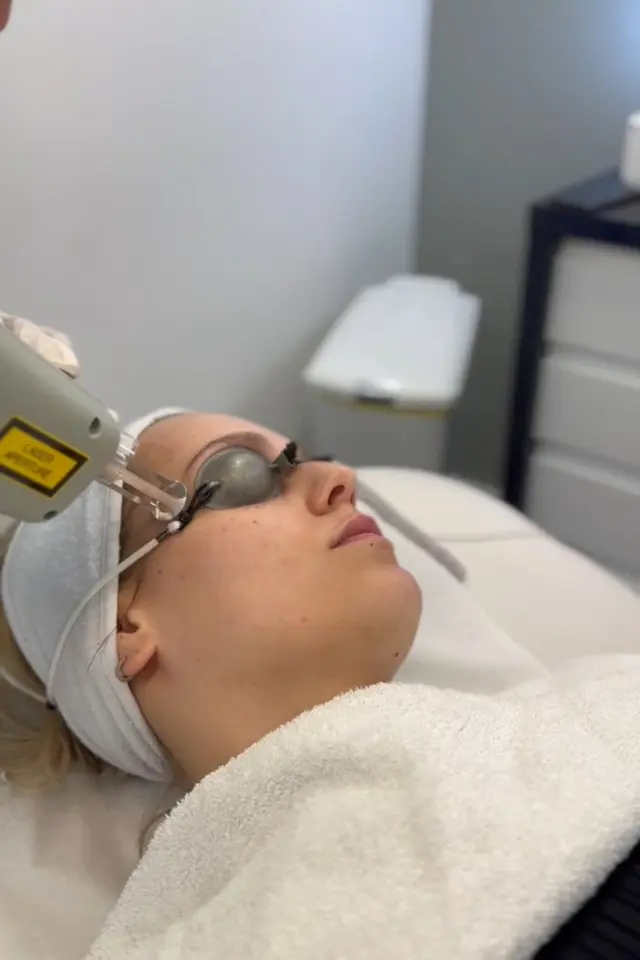
Intense Pulsed Light or IPL is an aesthetic treatment that delivers pulses of broad-spectrum light into the skin to improve its appearance by a process often called photorejuvenation, targeting pigmentation and vascular imperfections. Unlike lasers, which use a single wavelength or colour of light, IPL emits several wavelengths of light, measured in nanometres, which allows it to target multiple skin concerns at once.
Intense Pulsed Light works by a scientific principle called selective photothermolysis. This uses light energy to selectively heat and destroy a specific target in the skin without damaging the surrounding tissue.
In the case of IPL, the light or specific wavelength (e.g., 585nm or 650nm, commonly used in our treatments) is absorbed by specific targets, or chromophores, mainly pigment (melanin) and blood vessels (haemoglobin), converting the light energy to heat. This action breaks down or shatters unwanted pigmentation cells or collapses red blood vessels to reduce their visibility, while leaving the surrounding tissue largely unaffected because there is no targeted attraction.
Too much pigmentation in the skin, or hyperpigmentation, is caused by an excess of pigment cells — too much melanin, the pigment that makes skin brown. Excess pigmentation on all skin types can be caused by sun exposure over many years, ageing, hormonal changes (both pregnancy and menopause), inflammation caused by other skin conditions, like acne, or genetics. Usually, pigmentation concerns build up over time, eventually becoming more noticeable.
The Dynamix IPL system is highly versatile and is great for reducing surface redness and pigmentation.
It can be used to calm facial redness across the cheeks and nose, flushing, and concerns associated with rosacea, and to treat thread or spider veins and broken capillaries. As well as treating larger, full-face areas, it can also be used to target smaller red vein lesions like cherry angiomas.
Similarly, we use the system to target superficial, pigmentary discolouration, including certain types of hyperpigmentation, post-inflammatory hyperpigmentation, uneven skin tone, freckles, sun damage, and brown/age spots to restore skin clarity and balance. As well as treating the targeted pigmentation, the overall skin quality in the treated area will improve with light energy treatment, appearing smoother, more even-toned, and brighter.
A patch test is a safety requirement and must be done before IPL skin correction treatment.
IPL uses different wavelengths of light that interact with pigment (melanin) in the skin or haemoglobin (blood) in red veins, and individual responses can vary. The patch test will check how your skin reacts to specific settings for each treatment type, including the highest, safest energy level suitable for your skin type, to optimally correct your skin concerns.
This safety check helps avoid adverse reactions such as burns, blistering, or post-inflammatory hyperpigmentation. We use the Dynamix IPL device, which has built-in cooling and specialised pulse control settings, making it safe for use on a wide range of skin types.
To ensure accuracy of the results, which must be based on your actual skin type, patch tests cannot be performed if your skin has incurred a natural or artificial tan (from the sun or sunbeds) within 4 weeks of your appointment.
Although IPL skin correction is a quick, low-downtime treatment, you can expect some minor, transient side effects immediately after treatment. These include redness and tenderness, akin to a feeling of sunburn, mild swelling which may last up to 48 hours, a tingling, warm, or itchy sensation, and in some cases, skin may become dry and peel in places after a few days. If we have been targeting pigmentation, the area may become darker for up to a week before it begins to fade.
Risks from IPL treatment are rare when treatment is performed correctly, but can includes burns, blisters, pigmentation changes with a temporary lightening or darkening of the skin, scarring, usually associated with picking the skin after treatment, paradoxical hair growth, caused by the stimulation of dormant hair follicles, most noted in olive and light brown skin type individuals, and eye injury by improper eye protection during treatment.
We are unable to treat very dark skin tones (Fitzpatrick V-VI) with Intense Pulsed Light due to the increased risk of burns or pigmentary changes.
Similarly, we cannot treat you if you have a real tan (including sunbeds) or fake tan due to the increased risk of burns. To proceed with treatment, you must go a minimum of four weeks without sun exposure on the area to be treated.
We are unable to treat directly over tattoos if present in the treatment area.
If you are pregnant or breastfeeding, we will be unable to treat you until this stage of your life has concluded.
If you are currently taking any medication that makes you photo sensitive (sensitive to light), you will be contraindicated and must discuss this with our doctor. If you are taking Isotretinoin (Roaccutane), for example, we would not be able to treat you with IPL until you have been off the medication for a minimum of six months.
Certain severe skin conditions and active infections will also contraindicate you for treatment pending resolution, including herpes simplex infections (cold sores) and active dermatitis in the area to be treated. If you have a history of abnormal scarring, including keloid scarring, you may also not be suitable for IPL treatments.
Before any IPL treatment is booked, you must undertake a consultation and patch test to determine your suitability.
During treatment, a cold gel is applied to the skin to protect it and aid your comfort. You can expect a mild warming sensation; this will not be hot, thanks to the gel. Similarly, the light energy is delivered in very quick pulses, and you may feel this as small "snaps" or "hits" against your skin, like someone flicking an elastic band against your skin. Generally, treatments are well tolerated, and we will do all we can to keep you comfortable throughout.
Downtime is minimal after IPL skin correction. You can expect your skin to feel a little warm for a while after treatment, and you may experience some redness from the warmth generated. This will be short-lived. The progression of the results is gradual and not immediate.
In the case of pigmentation correction, results will continue to improve as the body naturally breaks down the damaged pigment cells and removes them. You might notice that pigmented areas appear darker for a short time immediately after treatment. This is normal and a sign they have been damaged by the light energy. The pigment will fade gradually in the days and weeks that follow.
For red vein correction, results may be noticeable quite quickly after treatment due to the collapse of the targeted vessels. The treated vessels are reabsorbed by the body, and redness will begin to disappear.
Once pigmentary or vascular lesions have been treated, the results are permanent, but they will depend on your lifestyle choices, general health, and genetic ageing factors.
For example, once removed, pigment cells do not return, but this does not stop new pigmentation from forming over time if you do protect your skin from sun damage, or if you experience hormonal changes. To keep on top of this, we often recommend having top-up IPL treatments every year to help maintain your results.
The same is true with red veins; once treated, these vessels will not return, but if you are especially prone to the formation of thread veins or broken capillaries, or have rosacea, you will benefit from maintenance treatments.
Take The Next Step
At Forever Facial Aesthetics, our goal is to help you look and feel your best. Contact us today to schedule your consultation and embark on your journey to a more youthful appearance.


Begin the dialogue
Our professional team is at your disposal to schedule a private consultation. Every enquiry is handled with the utmost discretion.