LED Light Therapy
Calm & Restore Skin with LED Phototherapy
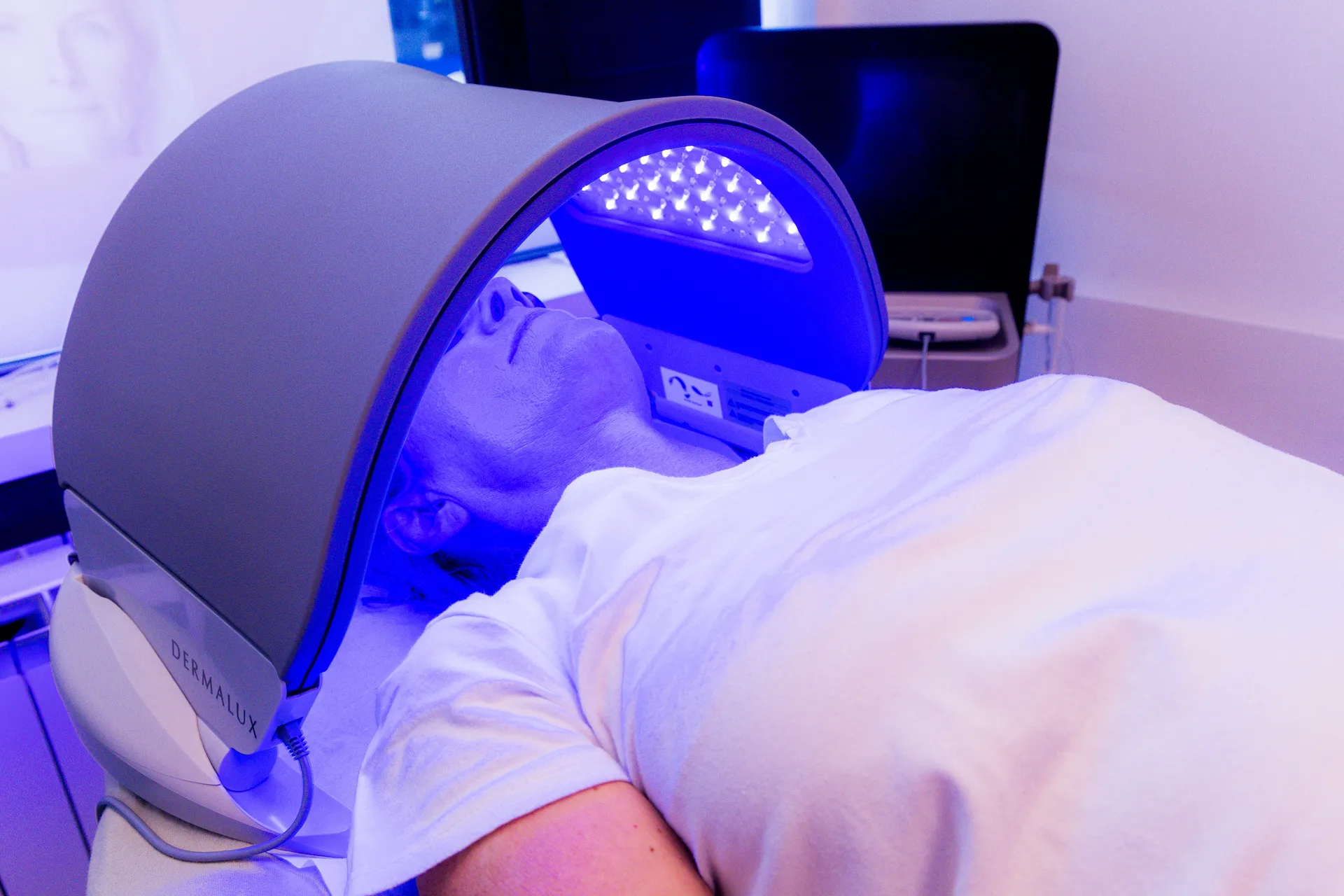
Dermalux LED Light Therapy
What Is LED Light Therapy?
LED light therapy, also called LED phototherapy, is a non-invasive treatment that uses targeted wavelengths of light from Light Emitting Diodes to support natural biological processes within the skin. Different wavelengths can help calm visible redness, support tissue repair, stimulate collagen activity, and target acne-causing bacteria.
Read more Show less
Different wavelengths penetrate to varying depths, helping to reduce redness and inflammation, calm rosacea, support collagen production and tissue repair for rejuvenation, and target acne-causing bacteria. These low-level light treatments are very widely studied for use across dermatology and wound care and are backed by a large scientific body of published evidence for their efficacy and safety.
In-Clinic vs At-Home LED Light Therapy
In-clinic LED therapy and home devices use similar principles, but their power, precision, and consistency are very different. Professional systems are calibrated to deliver uniform, high-intensity light at the correct distance and duration, allowing deeper penetration and structured treatment protocols.
Read more Show less
In contrast, at-home options tend to use weaker, underpowered technology, emitting low-intensity, inconsistent light levels, which might, at best, produce mild cosmetic improvements to the surface of the skin with prolonged use.
Our Preferred LED System: Dermalux LED
Dermalux LED is our preferred medical-grade phototherapy system. It uses precise red, near-infrared, and blue wavelengths to support calmer, healthier-looking skin. The treatment can help ease irritation, redness, and inflammation while supporting collagen production and cellular repair for concerns such as acne, rosacea, and skin ageing.
Read more Show less
The Dermalux system is a high-intensity, medical-grade, in-clinic LED device that conforms to UK medical device regulations, approved as a Class IIa medical device. We use Dermalux during our Calm & Restore treatment programme and within Combination Skin Treatments.
Areas of Treatment
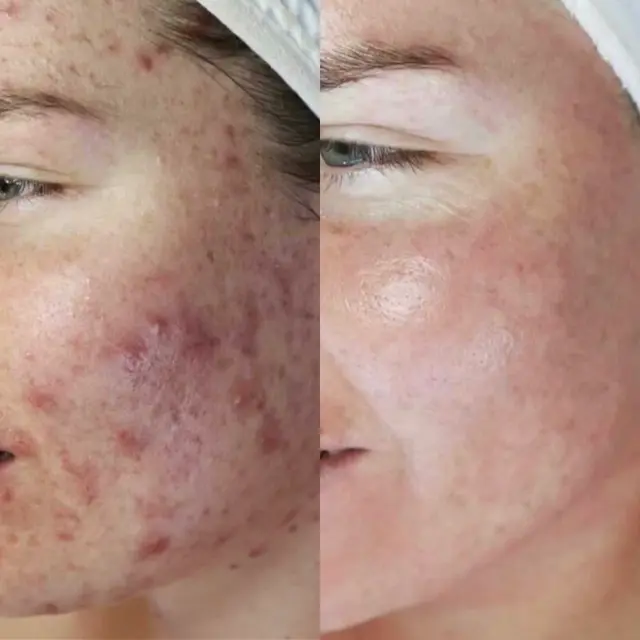
LED light therapy is ideal as a standalone treatment for sensitive or reactive skin issues, redness and acute inflammation, including rosacea flares, or to restore a compromised skin barrier. It can also be used as post-procedure care in conjunction with other aesthetic treatments to aid healing and reduce inflammation. LED phototherapy is a great introductory treatment if you are new to aesthetic treatments and looking for a gentle option to improve your 'glow'.
Expert Care
At Forever Facial Aesthetics, we know the value of using medically certified, evidence-based technologies that truly deliver the best possible results for our patients. This is why we have invested in the market-leading Dermalux LED system to bring you advanced phototherapy treatment using light arrays that emit clinically effective wavelengths of light and are scientifically proven to deliver meaningful skin changes.
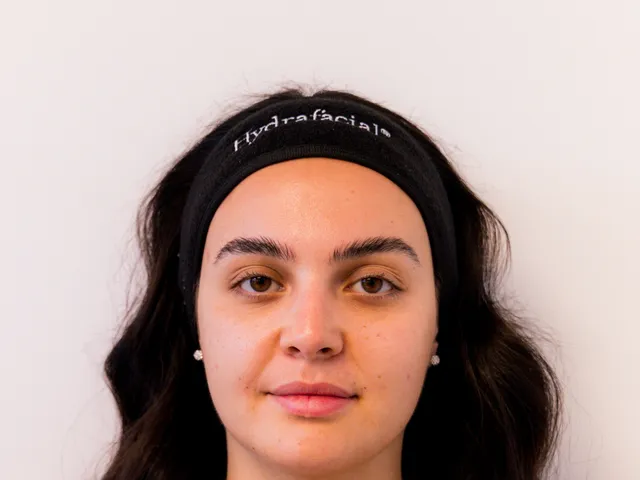
Natural Results
Working at a cellular level, the power of different wavelengths of light delivered by Light Emitting Diodes has long been studied and found to initiate many natural improvements; it promotes healthy circulation and lymphatic drainage, calms inflammation, and improves skin cell turnover and complexion restoration.
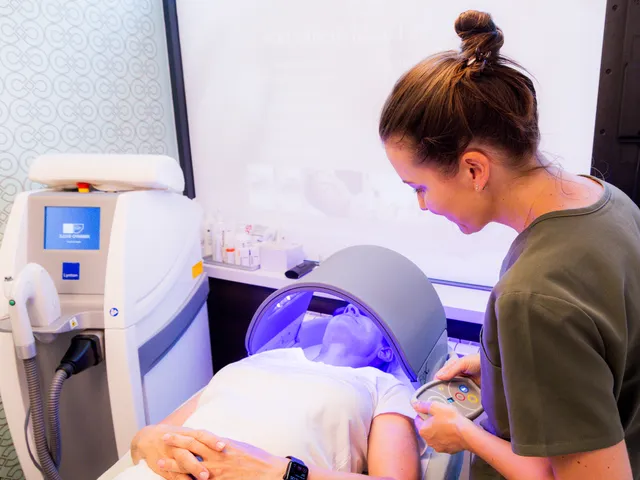
Tailored Treatments
The beauty of LED light therapy lies in our ability to combine several targeted wavelengths or colours of light with different treatment settings to focus therapeutic light absorption exactly where it is needed, working optimally and effectively at a cellular level to reap the most beneficial outcomes for your skin.
Answers to Your Questions, All in One Place.
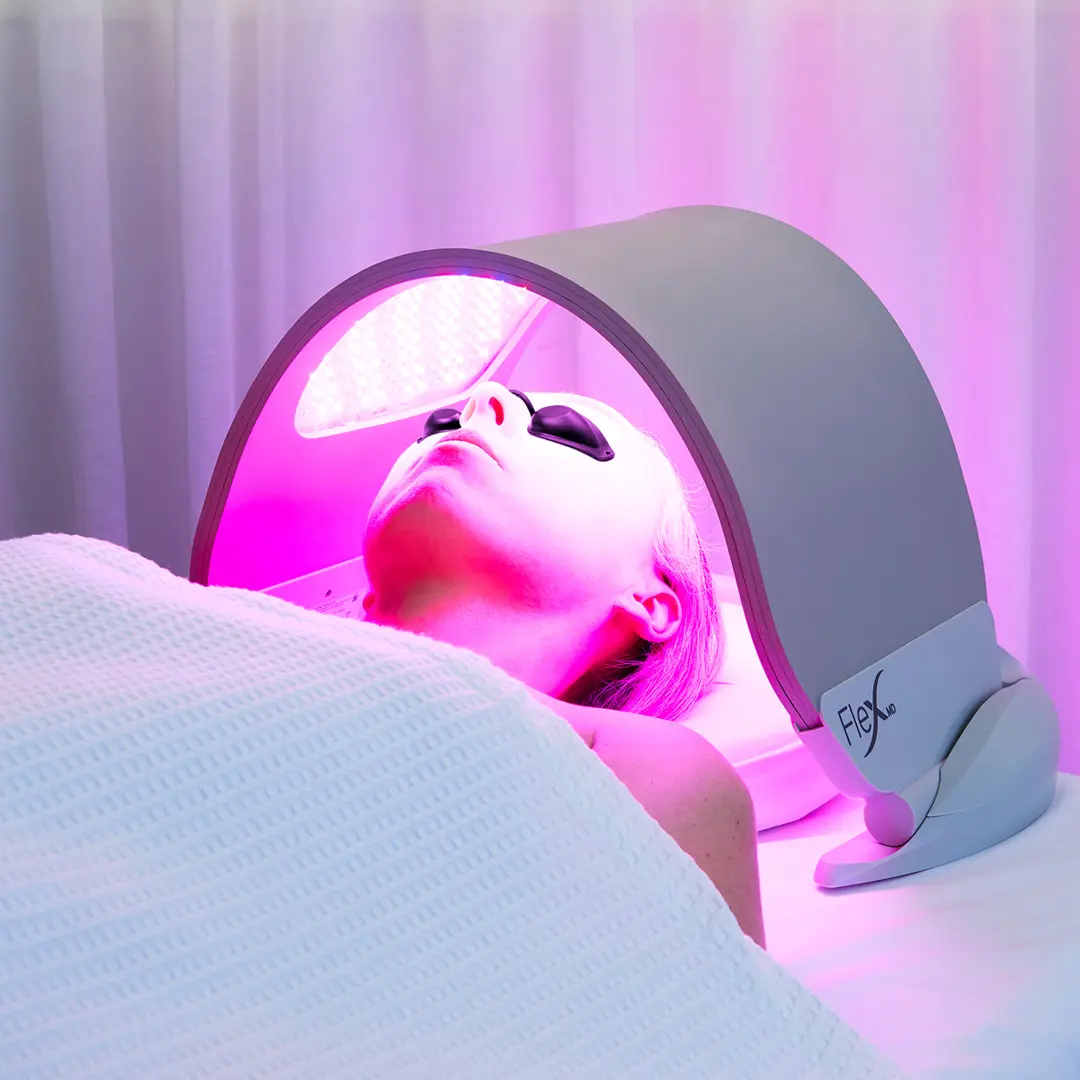
In the scientific sense, Light Emitting Diodes, or LEDs, are semiconductors (but they look like little light bulbs) that emit specific wavelengths of bright light that can be used for therapeutic purposes. Treatment is known as phototherapy or LED light therapy. Low-level light therapies have been used in medicine for a long time to promote wound healing, treat injuries, muscular and joint pain, and improve skin conditions.
The Dermalux LED system is a medically certified device regulated as a Class IIa medical device in the UK. Within the head of the machine, there is an array of three different types of Light Emitting Diodes, delivering red light, blue light, and near-infrared light. The wavelength or colours of each light are part of the broader light spectrum and measured in nanometres (nm).
Just like plants need light to photosynthesise, humans can also gain natural benefits from exposure to different wavelengths of light via a process called photobiomodulation.
Absorption of different colours or wavelengths of light, including parts of the light spectrum that we cannot see, like near-infrared, has positive effects on triggering cell activity and stimulating certain biological actions within our tissues, including wound healing and increasing microcirculation and lymphatic drainage, where they might have become sluggish.
The LED lights in the Dermalux system will be absorbed into different layers of the skin (e.g., the epidermis, dermis and subcutaneous) so we can use different light combinations and treatment modes to create targeted treatment parameters to suit your skin needs.
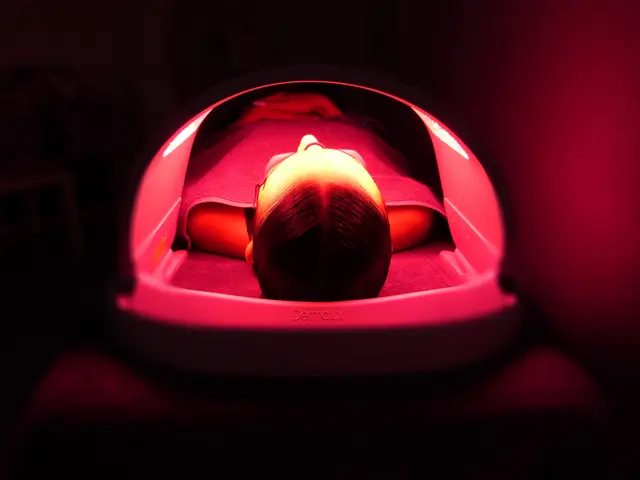
Red light (633nm) is absorbed in the dermis or middle layer of the skin and will help with reducing redness and inflammation, making it perfect for rosacea flares. It also stimulates skin cell turnover and new collagen production, improving skin quality, tone, texture and hydration for anti-ageing and better skin health.
Near-infrared light (830nm) is a non-visible form of light and is absorbed into the deeper, subcutaneous layer of the skin, where it stimulates cellular activity. This is key for wound healing responses, improving microcirculation and lymphatic drainage, and reducing inflammation to encourage skin renewal.
Blue light (415nm) is more superficially absorbed into the epidermis of the skin and can be used to kill off acne-causing bacteria (cutibacterium acnes), reduce oil production, calm irritation, and lower the incidence of acne breakouts.
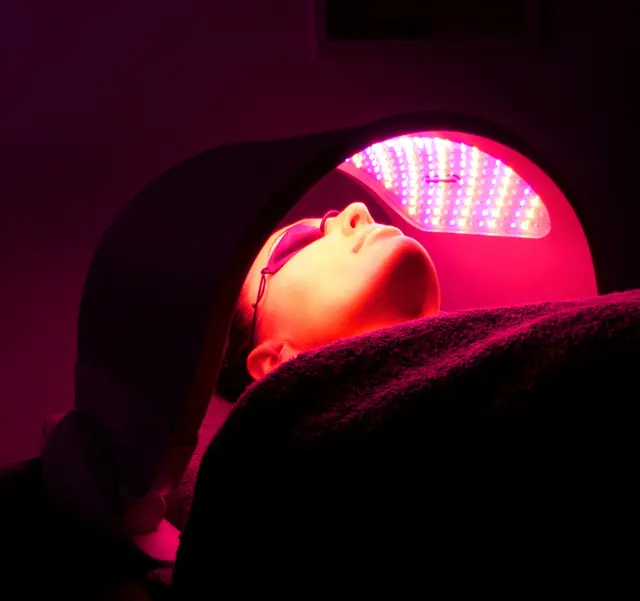
Whilst you are under the Dermalux LED light array (usually for 30 minutes), it is an opportunity for you to relax. Some patients choose to enjoy it as a ‘nap time’, with the calmness and gentle warmth sending them to sleep. You are also welcome to listen to music, audiobooks, podcasts, etc.
Your practitioner will be on hand to regularly check on you during the session.
Treatment with Dermalux LED light therapy does not hurt, and you will not require any form of pain relief during the session. Whilst you are under the light array, you can expect to feel a gradual build-up of warmth on your face, which is the body’s natural reaction as the light is absorbed into the skin, causing an increase in blood circulation, the same effects when you feel hot or do some exercise and get a flushed face.
Your skin is not irritated by the LED light, and clinical studies show no reported side effects.
Following each treatment session, there is no downtime; your skin will appear a little pink and feel warm to the touch for a few hours afterwards. You will be given aftercare advice to maintain skin hydration and protect it from the sun.
LED light is considered safe for all skin types because it is non-invasive. It is absorbed into the skin but does not generate heat like lasers and IPL light, which target specific chromophores such as water, melanin, or haemoglobin. LEDs are also not the same as UV tanning beds, so they cannot tan or burn the skin or cause photodamage.
During treatment, you will wear protective eye goggles to shield your eyes from the bright light. It is safe to keep contact lenses in during treatment, but you will be asked to swap your glasses for the protective eyewear.
Medical reasons that are likely to make you unsuitable for Dermalux LED treatment include epilepsy, photosensitive medications (including herbal remedies) or underlying genetics that make you sensitive to light (e.g., albinism), photosensitive disorders like porphyria, photosensitive skin conditions, migraines brought on by sensitivity to light, and certain eye conditions.
If you are pregnant or breastfeeding, we will need to delay treatment until this stage is complete. If you have active infections (e.g., cold sores) or open wounds in the area to be treated, these must be resolved and healed before treatment can commence.
Results from LED phototherapy will not be immediately apparent after the first session. As you undergo each treatment session in the course, you will begin to notice gradual improvements in the quality of your skin, including a reduction in redness and inflammation, as the light naturally stimulates wound healing responses in the skin.
Skin health will continue to improve for a short while after you complete the course of treatments. The length of the course and the number of treatment sessions have been optimised to achieve the most clinically effective results, but may be adapted further to suit your needs.
Results will last for several months after completion. However, we recommend regular top-up treatments to get the best benefit from LED phototherapy; many of our patients enjoy it so much that they book a routine of LED light therapy to help maintain their glowing skin and as a great way to manage their underlying redness concerns.
Take The Next Step
At Forever Facial Aesthetics, our goal is to help you look and feel your best. Contact us today to schedule your consultation and embark on your journey to a more youthful appearance.


Begin the dialogue
Our professional team is at your disposal to schedule a private consultation. Every enquiry is handled with the utmost discretion.